Dealing with persistent tooth pain or sensitivity can be stressful, especially when you're unsure of the cause. At Densley Dental in Henderson, NV, Dr. Aman Sidhu offers expert root canal treatment as part of comprehensive dental services designed to relieve discomfort, eliminate infection, and save your natural tooth. Dr. Sidhu graduated with honors from the University of Southern California School of Dentistry and has extensive experience managing dental clinics and teaching future dentists.
Our approach prioritizes patient comfort and lasting results so that you can maintain a healthy, confident smile. Understanding when a root canal is necessary and what to expect can help you make the best decisions for your oral health.
What is a Root Canal and When is it Needed?
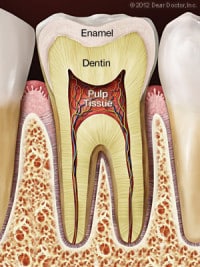
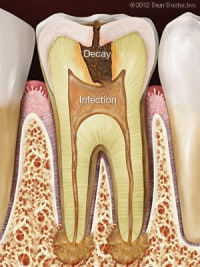
When infection or decay reaches the nerve and pulp inside a tooth, root canal treatment is needed to prevent further damage. The pulp contains nerves and blood vessels that can cause pain if untreated.
Common signs you may need a root canal include:
- Persistent or throbbing pain in the tooth area
- Pain when chewing or lasting sensitivity to hot and cold
- Tender, swollen gums near the tooth
- Discoloration or darkening of the tooth
- A small pimple or bump on the gums
Depending on the severity of the infection and the restoration required, such as a filling or crown, the treatment may take more than one visit.
What Causes A Tooth To Need A Root Canal?
A root canal becomes necessary when the inner pulp of a tooth becomes inflamed or infected. This typically occurs when bacteria penetrate deep into the tooth structure. The most common cause is untreated decay that progresses beyond the enamel and dentin layers. As the infection reaches the pulp, it can lead to significant pain and swelling.
Other causes include cracked or fractured teeth, trauma from an accident or sports injury, and repeated dental procedures on the same tooth. Large fillings that weaken the remaining tooth structure may also increase the risk of pulp damage. Without treatment, infection can spread beyond the tooth and affect surrounding tissues.
The Benefits of a Root Canal
Root canals offer several important benefits:
- They allow you to keep your natural tooth, preserving the way your teeth fit together and function.
- The treatment stops infection from spreading to surrounding teeth and gums.
- It relieves the intense pain caused by pulp inflammation or infection.
- Restoring the tooth helps maintain your smile's appearance and overall oral health.
- Compared to extraction and replacement, root canals are less invasive and often more cost-effective over time.
By saving your natural tooth, root canals help maintain the integrity of your jawbone and reduce the need for more extensive dental work.
What To Expect During A Root Canal Procedure
Root canal treatment is designed to remove infection while preserving your natural tooth. The process is straightforward and focused on comfort.
- Numbing the area. Local anesthesia is used to fully numb the tooth and surrounding tissues, keeping you comfortable throughout the procedure.
- Accessing the tooth. A small opening is created at the top of the tooth to reach the infected pulp.
- Removing infection. The damaged pulp and bacteria are carefully removed from the tooth's inner canals.
- Cleaning and shaping. The canals are cleaned, disinfected, and shaped to prepare them for sealing.
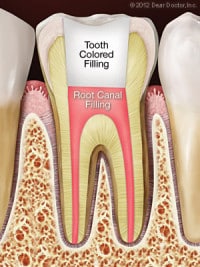
- Sealing the tooth. The space inside the tooth is filled and sealed to prevent future infection.
- Restoring strength. In most cases, a crown is placed to restore the tooth's strength, function, and appearance.
Most patients return to normal activities shortly after treatment, with only mild temporary sensitivity.
Signs Of An Infected Tooth
An infected tooth may present with a range of symptoms, from mild to more severe. Persistent or throbbing tooth pain is one of the most common indicators. Sensitivity to heat or cold that persists after the stimulus is removed can also signal pulp involvement.
Additional signs may include:
- Swelling or tenderness in the surrounding gums
- Darkening or discoloration of the tooth
- Pain when chewing or applying pressure
- A small bump or pimple on the gums near the affected tooth
If you experience any of these symptoms, prompt evaluation can help prevent further complications.
When You May Be Referred To A Specialist
While many root canal treatments can be completed comfortably in our office, some cases are more complex. Teeth with curved or unusually narrow canals, retreatment cases, or infections that extend beyond the root tip may require advanced techniques.
In these situations, referral to a trusted endodontic specialist ensures you receive the highest level of care. Endodontists have additional training and specialized equipment to manage complex root canal cases. Our priority is always to provide treatment that is safe, effective, and tailored to your specific needs.
Frequently Asked Questions
In most cases, receiving a root canal treatment feels like receiving a filling, and at Densley Dental, we offer comfort options that eliminate pain and induce a serene, relaxed state while we perform this simple procedure.
A filling is a less extensive procedure than a root canal and only requires the removal of decay from the tooth's surface. During a root canal, the damaged tooth pulp and nerve are removed before the filling or other restorations are applied.
In some cases, root canal treatment may be more complex than usual. When this happens, we refer patients to our trusted Endodontics specialist who has advanced training and equipment to handle difficult cases.
The main alternative to a root canal is tooth extraction. However, removing the tooth often requires replacing it with an implant or a bridge to maintain proper function. Saving your natural tooth is usually the preferred option whenever possible.
Delaying treatment allows the infection to worsen and potentially spread. This can lead to increased pain, swelling, or abscess formation. Early care helps prevent more serious complications.
Root canals have a high success rate, but complications can occasionally occur. If infection returns, retreatment or specialist care may be needed. With proper restoration and oral hygiene, most treated teeth last for many years.
Why Choose Dr. Sidhu for Your Root Canal?
Dr. Aman Sidhu, D.D.S., brings extensive expertise and a compassionate approach to root canal treatment. Graduating with honors in biology from California State University, Northridge, he earned his Doctor of Dental Surgery with honors from the University of Southern California. Dr. Sidhu's diverse experience includes working in multiple California clinics, managing a dental clinic in Pittsburgh, and teaching at the University of Pittsburgh School of Dentistry.
His well-rounded skills cover all phases of dentistry, ensuring precise, gentle care for every patient. As the team dentist for the Las Vegas Raiders, Dr. Sidhu combines professionalism with a personal touch. At Densley Dental, his dedication to patient comfort and quality makes him a trusted choice for root canal treatment in Henderson, NV.
Protecting Your Smile with Root Canal Treatment in Henderson, NV
Root canal treatment is a crucial part of restorative dentistry that saves your natural tooth and relieves pain caused by infection or injury. Whether you’re feeling discomfort or want to protect your oral health, choosing Densley Dental in Henderson, NV ensures you receive expert, compassionate care.
Dr. Sidhu and the team are committed to helping you maintain a healthy, strong smile for years to come. If you have questions or concerns, contact us at 702-212-6641 to schedule a consultation. We’re ready to support your journey to lasting dental health.